

Essential Face Care Routine for Glowing Skin Steps for Radiant Healthy Skin
6. Sun Protection: Shielding Skin from UV Damage Sun protection is perhaps the most crucial step in maintaining glowing skin.

Achieving glowing, healthy skin is a universal goal for many, and the foundation of achieving this lies in a disciplined, well-considered skincare regimen. Skin health is a reflection of various factors, including genetics, diet, environmental influences, and the products incorporated into your daily routine. A carefully curated face care routine plays a pivotal role in enhancing your skin’s radiance, while addressing concerns such as dryness, acne, hyperpigmentation, and signs of aging.
This article outlines the essential components of a face care routine designed to promote glowing skin. We will explore the key steps in a professional skincare regimen, including cleansing, exfoliation, moisturizing, and sun protection. Additionally, we will offer expert tips to ensure your routine is optimized for your skin’s needs, leading to a healthier, more luminous complexion.
A consistent and structured skincare routine is fundamental in maintaining the health and vitality of your skin. Glowing skin is not simply about aesthetics but reflects the well-being of your skin. A carefully selected routine addresses multiple skin concerns, such as dehydration, uneven skin tone, or fine lines, while also encouraging optimal skin regeneration and protection. By committing to a regular skincare regimen, you are nurturing your skin and providing it with the tools to thrive.
Cleansing serves as the cornerstone of any effective skincare routine. It is essential for removing daily buildup such as dirt, oil, sweat, makeup, and environmental pollutants. Cleansing ensures that your skin is free from impurities, enabling the subsequent products in your routine to work more effectively.
Why Cleansing is Key for Glowing Skin
A clean face allows for better absorption of active ingredients in the next steps of your skincare regimen. Proper cleansing also helps to balance the skin’s natural oils, preventing both excessive dryness and oiliness, which can lead to breakouts and dullness.
How to Cleanse Effectively for Radiant Skin
Exfoliation is an essential step in promoting glowing skin, as it helps to remove dead skin cells and accelerate skin renewal. Exfoliating regularly can brighten the complexion and refine the skin’s texture, which is crucial for achieving a luminous glow.
Why Exfoliation is Vital for Glowing Skin
Exfoliating promotes cell turnover, reduces the appearance of blemishes and hyperpigmentation, and enhances the effectiveness of moisturizers and serums. By removing the outermost layer of dead cells, you reveal fresher, smoother skin underneath, helping to achieve a more radiant complexion.
How to Exfoliate for Radiant Skin
Toning, often overlooked, is a crucial step in the skincare routine. Toners help restore the skin’s natural pH balance after cleansing, and they refine the pores while removing any residual impurities. A good toner prepares the skin for better absorption of moisturizers and serums, providing a balanced foundation for the next steps.
Why Toning is Beneficial for Glowing Skin
Toners not only hydrate and balance the skin, but they also help to soothe irritation and reduce redness. Formulas with antioxidants, soothing botanicals, or hydration-focused ingredients contribute to the overall health and glow of the skin.
How to Apply Toner for Radiant Skin
Serums are concentrated formulations designed to target specific skin concerns such as pigmentation, fine lines, acne, or dullness. Serums typically contain potent active ingredients, including vitamin C, retinol, hyaluronic acid, and peptides, which are formulated to address these specific needs with precision.
Why Serums are Crucial for Glowing Skin
Serums penetrate deeper into the skin than moisturizers, delivering high concentrations of active ingredients directly where they are needed. Vitamin C, for example, is a powerful antioxidant that helps to brighten skin and fade dark spots, while hyaluronic acid draws moisture into the skin for added plumpness.
How to Use Serums for Glowing Skin
Moisturizing is essential in maintaining hydrated, glowing skin. Moisturizers help lock in the moisture provided by serums and toners, ensuring the skin remains hydrated and soft throughout the day or night.
Why Moisturizing is Necessary for Glowing Skin
Proper hydration is key to maintaining a healthy skin barrier. A well-moisturized complexion looks plump and radiant, while dehydration can lead to dullness, fine lines, and an uneven skin texture.
How to Moisturize for Glowing Skin
Sun protection is perhaps the most crucial step in maintaining glowing skin. Daily use of a broad-spectrum sunscreen is essential in protecting the skin from UV damage, which can cause premature aging, hyperpigmentation, and skin cancer.
Why Sunscreen is Vital for Radiant Skin
Sunscreen protects the skin from harmful UV rays, which can break down collagen and elastin fibers, leading to wrinkles, sagging, and pigmentation issues. Consistent sun protection helps preserve skin’s youthful appearance and maintain its natural glow.
How to Apply Sunscreen for Glowing Skin
Achieving and maintaining glowing skin requires a well-rounded skincare routine that addresses all aspects of skin health. By following a structured regimen that includes cleansing, exfoliating, toning, applying targeted treatments, moisturizing, and protecting your skin from the sun, you can enhance your skin’s radiance and overall health. Consistency, patience, and the right products are key to seeing long-term results. With the right care, your skin will not only glow from the outside but remain vibrant, youthful, and healthy for years to come.
6. Sun Protection: Shielding Skin from UV Damage Sun protection is perhaps the most crucial step in maintaining glowing skin.
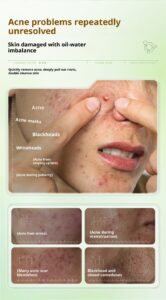
Acne is a prevalent skin condition that affects individuals of various ages, often leaving behind scars that persist long after

Achieving glowing, healthy skin is a universal goal for many, and the foundation of achieving this lies in a disciplined,
Chinese Beauty Brands Going Global: Why North American Consumers Should Pay Attention In the wave of globalization, Chinese beauty brands